
Ecological conservation
Forests, wildlife, marine resourcesProtected areas, COBA/VOI co-management, biodiversity monitoring, restoration of degraded ecosystems and ecological corridors.
Examples: Tsitongambarika · Andohahela · Sainte Luce LMMA
Local initiatives are built around four complementary dimensions: ecosystem conservation, social economy & fair-trade value chains, climate adaptation and citizen inclusion. All contribute to the Sustainable Development Goals (SDGs).
Protected areas, COBA/VOI co-management, biodiversity monitoring, restoration of degraded ecosystems and ecological corridors.
Examples: Tsitongambarika · Andohahela · Sainte Luce LMMA
Organising fair-trade value chains (vanilla, honey, lobster, lychee), cooperatives, rural micro-businesses and market access.
Examples: Sahanala vanilla · Renitantely honey · AGRICOOP 2.0
Mini-dams, drought-resistant seeds, agroforestry, watershed management, early-warning systems.
Examples: UNESCO BIOCOM · PrAda · agroforestry
Involving women, mobilising young people (Aika), local governance, management transfers and advocacy for sustainable public policies.
Examples: Aika Alliance · COBA/VOI · PrAda gender approach
Each card presents the project leader, its scope, its verifiable achievements and its impact, with a direct link to the official source to find out more.
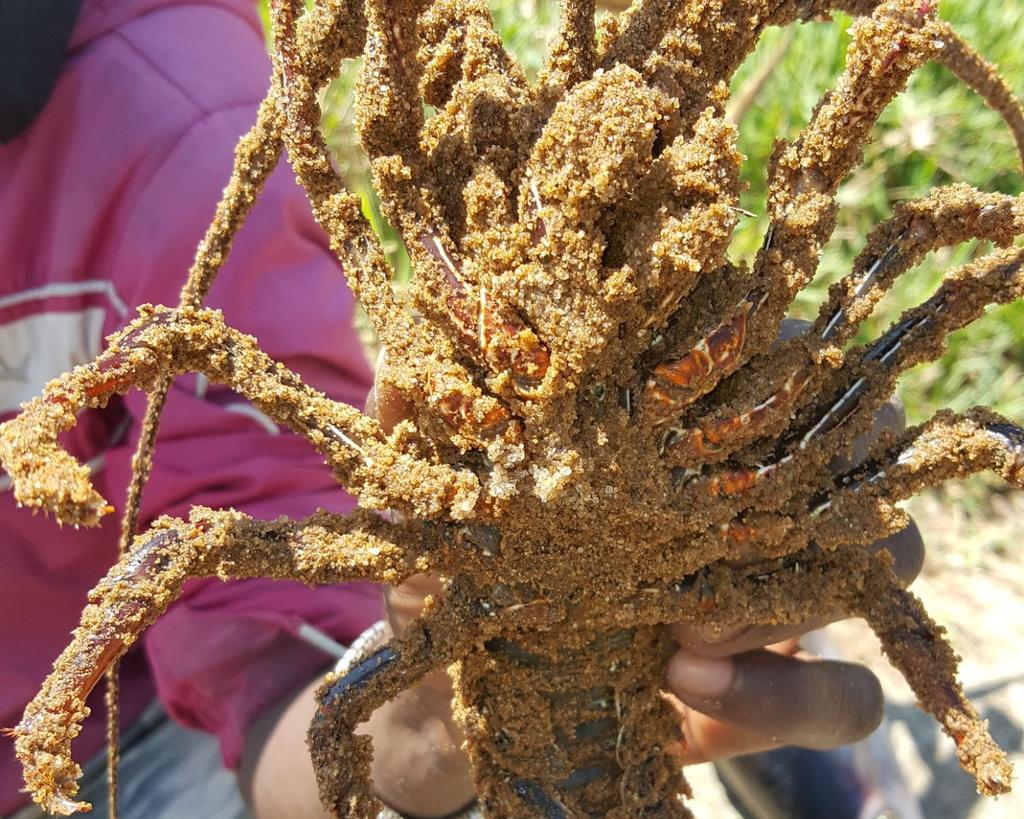
The south-east's first co-managed marine area: fishers and SEED Madagascar protect the lobster resource together.
Project Oratsimba, run by SEED Madagascar with Anosy's fishing communities, is a marine conservation project that helps local fishers manage their spiny lobster stocks (Panulirus homarus, P. ornatus) sustainably. The project set up a locally managed marine area (LMMA) — the first in the region — with seasonal closures, minimum catch sizes and community logbooks. According to FAO, the initiative serves as a replicable model of small-scale co-management for Malagasy artisanal fishing. Lobster accounts for more than 50% of the value of Madagascar's fisheries exports, and Anosy is a major production area.
A replicable model of community management, stabilised incomes, preserved marine biodiversity and stronger organisational capacity among fishers' associations.
Source: SEED Madagascar · FAO · Journal of Marine and Coastal Development
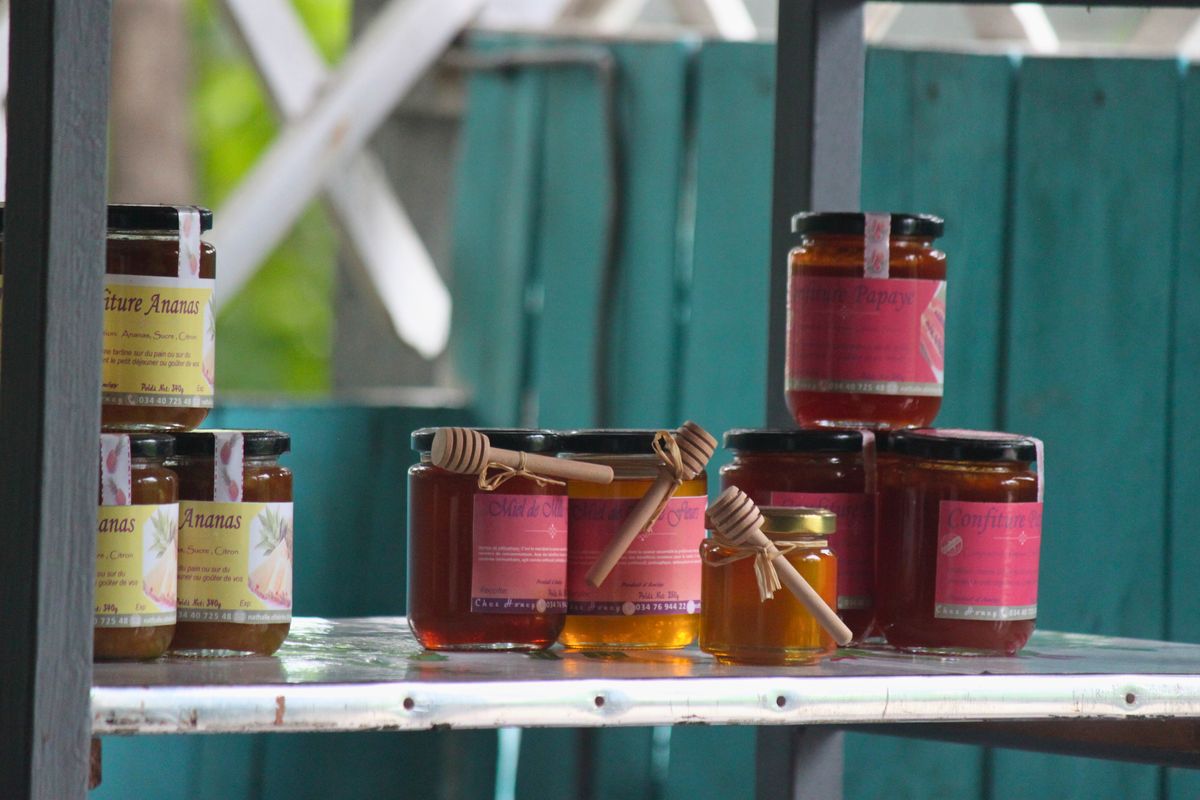
Beekeeping, reforestation and rural incomes: a virtuous trio for Anosy's communities.
Project Renitantely (“bee” in Malagasy) aims to improve the economic and ecological viability of beekeeping as a livelihood in Anosy's rural communities. According to SEED Madagascar, the project helps beekeepers cope with the challenges of climate change, pests and market access. In addition, more than 30,000 nectar-producing tree seedlings have been planted to feed the colonies and restore forest cover. The project combines technical training, improved hives, cooperative organisation and support for honey marketing.
Consolidated beekeeping incomes, several dozen hectares of bee-friendly landscapes restored, stronger organisation and better resilience to climate shocks.

Madagascar's southernmost rainforest is co-managed by Asity Madagascar and local communities.
Tsitongambarika is a 58,597-hectare protected area of lowland rainforest north of Fort-Dauphin. Since 2009, Asity Madagascar — a BirdLife International partner — has worked with local communities to manage the forest and help people adapt their livelihoods. According to the Lemur Conservation Network, the site is home to exceptional biodiversity, including several threatened lemur species. The model is based on transferring management to grassroots communities (COBA/VOI) who patrol, raise awareness and develop alternative economic activities (improved rice growing, sustainable cash crops).
Preservation of one of the South's last large rainforest massifs, maintenance of ecological corridors and better livelihoods for neighbouring communities.
Source: Asity Madagascar · BirdLife International · Lemur Conservation Network
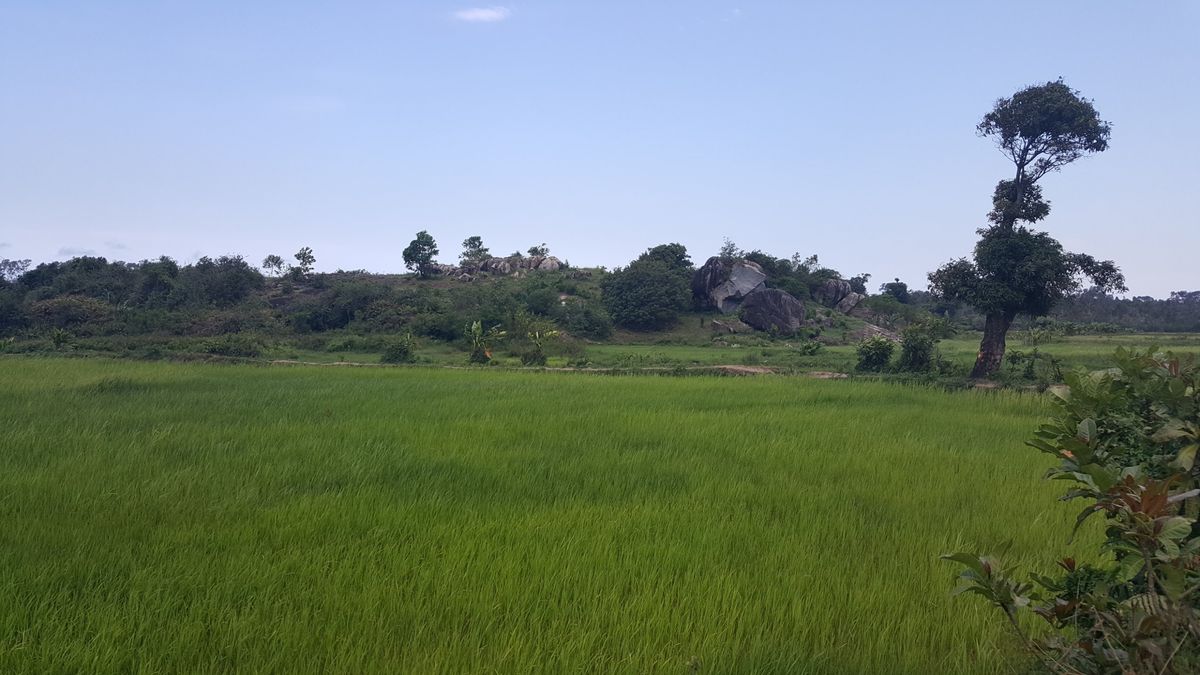
“Today we can grow crops up to three times a year” — water is back thanks to the BIOCOM mini-dam.
UNESCO's BIOCOM (Biosphere and Communities) project supports rural communities around Andohahela national park. According to UNESCO, the construction of a new mini-dam, stronger water governance and forest restoration now allow families to grow crops up to three times a year — an unimaginable result in an area long hit by drought. The project combines food security, children's schooling and climate resilience in an integrated biosphere-communities approach.
Stronger food security, more children in school, fewer climate migrations and better social cohesion around shared water management.

Adapting southern farm value chains (cassava, cowpea, honey, milk) to a drier, less stable climate.
The PrAda programme (Adapting Agricultural Value Chains to Climate Change), run by GIZ, helps producers in southern Madagascar adapt their production and processing systems. According to the Green Climate Fund (project FP278 PrAda 2+), Madagascar has experienced five consecutive years of severe drought, with annual losses estimated at USD 122 million. PrAda works on climate-risk analysis, introducing resilient varieties, supporting cooperatives and developing promising value chains (cassava, cowpea, honey, milk, onions).
Diversified income sources, reduced food vulnerability, stronger farmers' organisations and rural jobs for young people and women.

260 vanilla growers in Anosy are committing to a fair, traceable supply chain, with support from Nitidæ.
According to Nitidæ, 260 vanilla growers in southern Madagascar (Anosy Region) have committed to supplying the social enterprise Sahanala as part of a fair and sustainable supply chain. The arrangement is part of AVSF's (Agronomists & Veterinarians Without Borders) AGRICOOP 2.0 programme, which supports several Malagasy cooperatives in selling their produce (lychees, vanilla, spices, cocoa, sugar) on fair-trade markets. For Anosy's farmers, the stakes are twofold: securing a fair price for their vanilla and organising a supply chain hitherto dominated by middlemen.
Stabilised incomes, a new vanilla-growing area organised outside SAVA, social infrastructure funded and better resilience to price falls.

Three protected areas created by QMM around its mining sites — a debated but documented compensation arrangement.
According to Rio Tinto, QMM has set up three IUCN category V protected areas within its mining area: 430 hectares at Mandena, 2,095 hectares at Sainte Luce (Ambatoatsinanana) and 300 hectares at Petriky. These areas aim to conserve fragments of littoral forest on sand, a unique and threatened ecosystem. The arrangement is part of a biodiversity-compensation strategy whose effectiveness is the subject of independent evaluations (Mongabay, IUCN, Friends of the Earth), which point both to measurable ecological results and to social tensions linked to use restrictions for neighbouring communities. This page presents the arrangement as documented, without hiding the debates.
Preservation of fragments of littoral forest on sand and accumulated scientific data, but also public debate on biodiversity compensation — to be followed through independent evaluations.

Madagascar National Parks and neighbouring communities share the management of Andohahela — with a focus on lemurs.
Madagascar National Parks (MNP) takes a co-management approach with local communities to address socio-economic pressures on protected areas. At Andohahela — a Ramsar site and UNESCO World Heritage as part of the Rainforests of the Atsinanana — co-management combines village patrols, local committees and alternative activities. A dedicated IUCN SOS project aims to protect the park's threatened lemur species through an integrated, participatory approach: awareness-raising, ecological monitoring, habitat restoration and livelihood support.
Management pressure maintained over 76,020 ha, lemur populations monitored, economic benefits from ecotourism and stronger community capacity.
Note: The information is based on official publications from the project leaders (SEED Madagascar, Asity, UNESCO, GIZ, Madagascar National Parks, Rio Tinto QMM, AVSF, Nitidæ) and on independent evaluations (FAO, IUCN, Mongabay, Green Climate Fund, Lemur Conservation Network). Initiatives evolve — check the project leaders' websites directly for the latest results.
Locate the region's flagship projects, sorted by type of intervention. Click a marker to open the detailed card and the official source.
Several value chains are being organised around sustainable and fair-trade standards, supported by cooperatives, NGOs and technical partners.
Sainte Luce LMMA, seasonal closures, minimum sizes — a replicable model for the east coast.
SEED · COBA · MAEP
Modern beekeeping, improved hives, 30,000 nectar-producing trees planted, local and national markets.
SEED Renitantely · cooperatives
260 growers organised around Sahanala — short supply chain, guaranteed minimum price, traceability.
Sahanala · Nitidæ · AVSF
Cooperatives supported by AVSF (AGRICOOP 2.0) for the fair-trade marketing of lychees, spices and cocoa.
AVSF · Malagasy cooperatives
Drought-resistant varieties distributed by PrAda, community grain banks.
GIZ PrAda · MAEP
Guided visits to parks, community accommodation (Andohahela, Sainte Luce), local benefits.
MNP · local guides · NGOs
International days, reforestation campaigns, seasonal closures and harvests: all good times to find out more, get involved or support local projects.
The ecosystem brings together local and international NGOs, UN agencies, climate donors, private operators and — above all — the grassroots communities themselves.
British NGO working in Anosy for more than 25 years. Runs the Oratsimba (fishing), Renitantely (honey) and Conservation Research (Sainte Luce) projects and many health and education programmes. Recognised by the Whitley Award.
BirdLife International partner — main manager of the Tsitongambarika protected area since 2009. Works with communities on forest governance and livelihoods.
Integrated biosphere-communities programme around Andohahela: mini-dams, water governance, forest restoration. Also supports young people via Aika.
PrAda (Adapting Agricultural Value Chains to Climate Change) — co-financed by the Green Climate Fund (project FP278 PrAda 2+). Works in Anosy, Androy and Atsimo-Andrefana.
AVSF (Agronomists & Veterinarians Without Borders) with the AGRICOOP 2.0 programme; Sahanala and Nitidæ for Anosy's fair-trade vanilla chain (260 growers).
Manager of Andohahela and other national protected areas. Practises co-management with neighbouring communities. IUCN SOS partner for lemur protection.
Mining operator — manages three IUCN category V protected areas (Mandena, Sainte Luce, Petriky) as biodiversity compensation. An arrangement to be followed through independent evaluations.
Grassroots communities (COBA) and Vondron'Olona Ifotony (VOI) — beneficiaries of forest-management transfers. Field actors in co-management and patrols.
Individuals, businesses, travellers, students or institutions: everyone can make a practical contribution to local initiatives.
Every initiative counts. Supporting local actors, promoting fair-trade chains and preserving ecosystems: the sustainability of the Anosy Region is being built today, project by project.