
Sainte-Luce
No-take zones
With SEED Madagascar's Oratsimba project, Sainte-Luce fishers have set aside part of their fishing area as a reserve, closed to lobster fishing ten months a year, to let the stock recover.
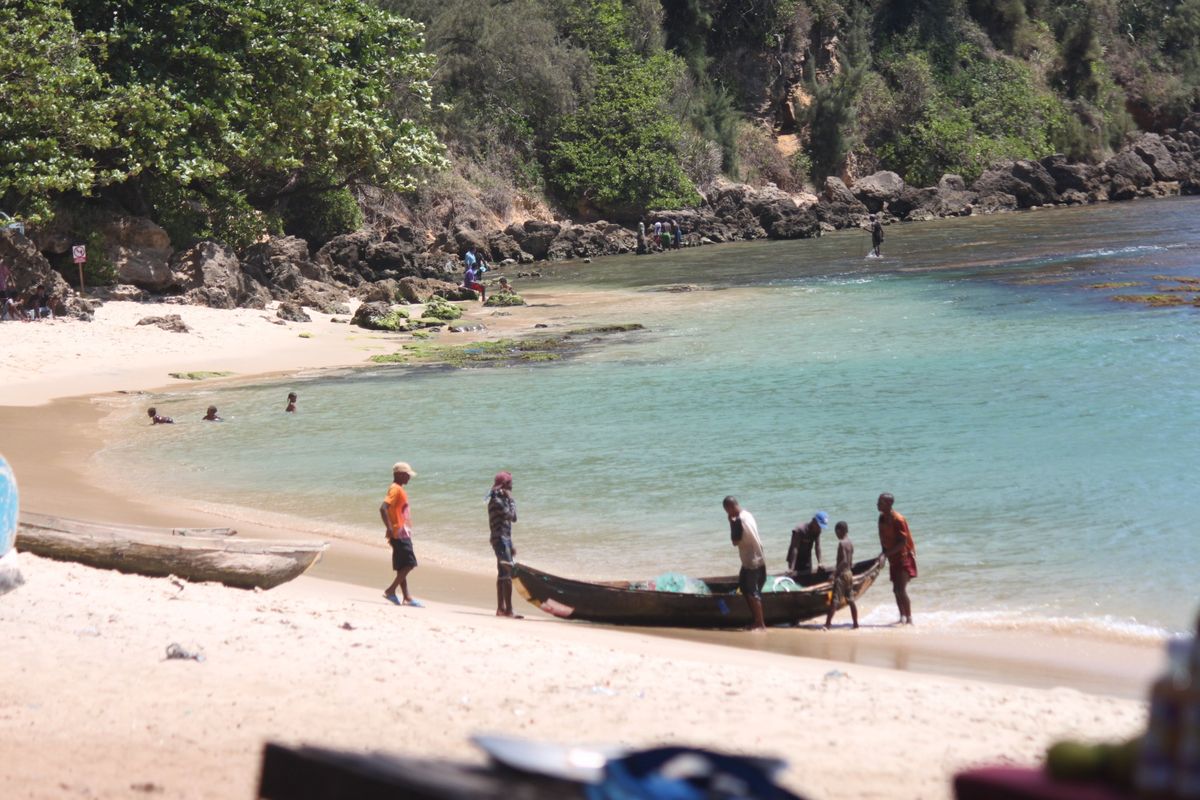
On the Anosy coast, fishing is mostly carried out by traditional and artisanal fishers, from the beach or aboard dugout canoes. Fishing villages are strung along the coast, from Sainte-Luce north-east of Fort-Dauphin to the bays of Evatraha and Lokaro, and westwards beyond Ehoala.
The catch first supplies local markets — fresh or dried fish on the stalls of Tolagnaro — while high-value products, above all lobster, are bought by collectors and then shipped to the capital and abroad.
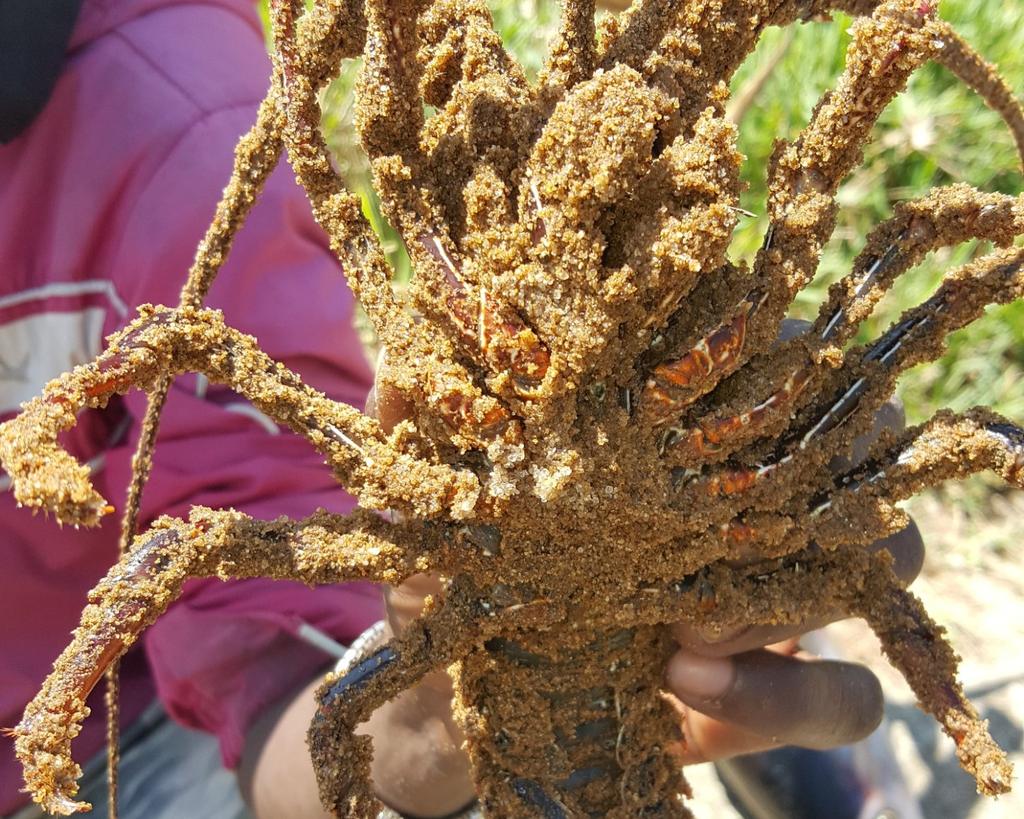
The rocky, swell-battered sea floor is home to several species of spiny lobster of the genus Panulirus. Fishers catch them alive using traps made from local vines, set from the canoe, then sell them to the region's collecting companies.
The season opens every year in early April. For the 2024 season, eleven operators had received a collection permit; landing prices were around Ar 15,000 to 20,000 per kilo at the opening.
Faced with pressure on the resource, communities, NGOs and public bodies are trying out local management tools.
With SEED Madagascar's Oratsimba project, Sainte-Luce fishers have set aside part of their fishing area as a reserve, closed to lobster fishing ten months a year, to let the stock recover.
The International Labour Organization's Eco-langouste Sud project helps lobster fishers form associations and cooperatives to improve their working conditions and incomes.
In each fokontany, local agreements (dina) can set fishing rules: rest periods, reserved areas, penalties. They complement national regulations.
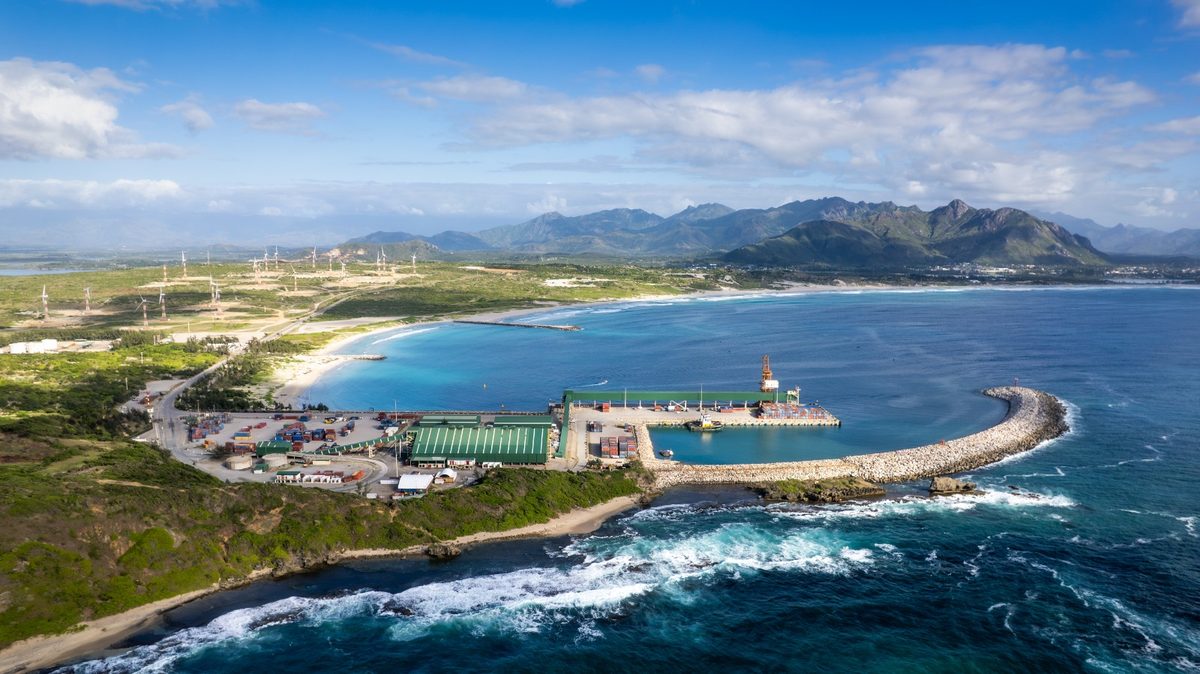
Collection, cold chain, logistics, fishing equipment: identify partners and opportunities in Fort-Dauphin's fisheries value chain.